
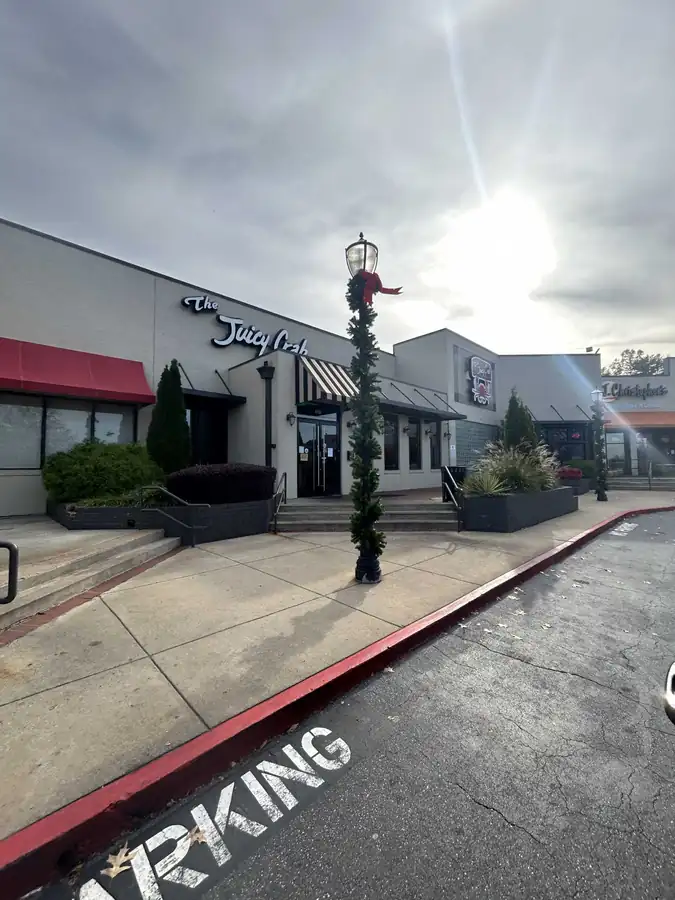
Roofline, tree-wrap, pathway, and landscape lighting solve different visual jobs. A coordinated display starts by deciding which architectural feature should be dominant, then using secondary zones to support it instead of giving every surface equal brightness.
For Kennesaw properties, the useful planning question is not which lighting type is universally best. It is which combination fits the property, access, desired viewing angle, maintenance needs, and approved seasonal scope.
Use the Roofline to Establish the Main Silhouette
Roofline lighting is often the clearest way to define a home or commercial facade from the street. Peaks, eaves, and primary edges can create a strong outline before any trees or landscape areas are added. The most effective scope usually identifies the main visible edges first and treats secondary roof sections as optional accents. This hierarchy keeps the design readable and also makes the quote easier to understand because the must-have footage is separated from extra coverage.
Use Tree Wrapping as a Vertical Accent
Tree wrapping introduces height and texture that a roofline cannot provide. The amount of trunk or branch coverage matters because a lightly wrapped ornamental tree is a different project from a large mature tree. Identify which trees are priorities, how much of each tree should be illuminated, and whether the tree is intended to compete with or support the building. That distinction helps avoid an estimate that assumes much more coverage than the customer expected.
Use Pathway and Landscape Lighting to Connect Zones
Pathway, shrub, and landscape accents can guide the eye from the street or driveway toward the entry. They work best when they repeat the same color direction and spacing logic used on the main display. Randomly adding separate landscape elements can make a project feel fragmented. When planning these zones, identify the specific beds, walkways, or shrubs that matter most and consider how people use the property so lighting does not interfere with access.
Prioritize Viewing Angles Before Adding More Lights
A display should be evaluated from the locations where it will actually be seen. A homeowner may care most about the street approach, while a commercial property may need the strongest emphasis at a parking entrance or customer-facing facade. Once the primary viewpoint is clear, rooflines, trees, and landscape zones can be layered around that view. This is usually more effective than trying to illuminate every side of a building equally.
Plan Serviceability With the Design
Seasonal lighting remains outdoors for weeks, so design and serviceability should support each other. Clear zones make it easier to describe an issue if one installed section needs maintenance. Holiday Shine includes in-season maintenance for its installed display. Keeping roofline, tree, and landscape sections logically organized helps a service visit focus on the affected zone without disturbing unrelated areas.
Use the Estimate to Separate Must-Haves From Options
Before requesting a quote, label the display zones as required, preferred, or optional. That creates a practical framework for comparing different scopes without losing the main design idea. It also makes later revisions easier because optional tree or landscape coverage can be adjusted independently of the main roofline. The final written estimate should identify the approved zones so installation, maintenance, and January removal all refer to the same project scope.
Allocate the Display by Visual Priority
When several lighting types are possible, divide the project into a core layer and optional layers. The core layer should establish the building or property identity from the primary viewing angle—often a roofline, entrance, monument, or customer-facing facade. Tree wraps, shrubs, pathways, and secondary roof sections can then be evaluated by how much they improve depth, direction, or balance. This method helps the estimate stay understandable because the customer can see which zones define the design and which zones are enhancements. It also prevents a large tree or heavily decorated landscape bed from accidentally becoming more visually dominant than the architecture the customer wanted to feature.
Plan Maintenance by Zone, Not Just by Product Type
Roofline, tree-wrap, and landscape zones experience different exposure and access conditions. A useful seasonal plan identifies those zones clearly enough that a customer can report where an issue appears without needing to diagnose the electrical cause. For example, “front-left roof peak” or “entry tree wrap” is more actionable than saying only that some lights are out. Holiday Shine includes in-season maintenance for the seasonal display it installs, and zone-based descriptions can make that service path easier to use. The approved estimate remains the reference for which trees, pathways, roof sections, or landscape areas actually belong to the installed project.
Choose Transitions Between Zones Deliberately
The transition between a roofline and a landscape element is often where a display either becomes cohesive or starts to feel fragmented. Repeat one visual cue—such as color temperature, spacing rhythm, or a restrained level of brightness—when moving from the building to trees or pathways. Avoid adding a new effect at every transition simply because a different product is available. On the actual Kennesaw property, photographs from the street and driveway can help identify where the eye naturally moves between zones. That information lets the estimate describe a connected composition rather than a checklist of independent lighting types, while still keeping each approved zone distinct for installation and seasonal support.
Roofline vs Tree-Wrap vs Landscape Holiday Lighting FAQs
Is roofline lighting enough for a complete display?
It can be. A clean roofline and entry can create a complete design when that matches the property and budget. Trees and landscape zones are optional design layers.
Does tree wrapping change the project scope?
Yes. Tree size, number of trees, desired coverage and access can materially affect the amount of work, so identify priority trees before quoting.
Can pathways and shrubs be included?
Yes, when those zones are included in the approved design and estimate.
Is in-season maintenance included?
Holiday Shine includes in-season maintenance for the display it installs, followed by January removal at no additional service charge.
Property-Specific Design
Request a Holiday Shine Christmas Light Quote
Share your Kennesaw property address, the rooflines or landscape areas you want highlighted, and your preferred color style. Holiday Shine can use those details to define the installation scope and current scheduling options. In-season maintenance for the installed display and January removal are included at no additional service charge.